How to Sell to Nigerians: What Actually Makes People Buy
Short answer
Nigerians buy on trust before price: proof that other people have used and liked what you sell, a real person behind the business, room to negotiate, and a clean, professional paper trail once money changes hands.
Selling in Nigeria and selling to Nigerians are two different skills. The first is about logistics, pricing, and where you show up. The second is about what actually moves someone from "interesting" to "let me pay you now." That comes down to psychology, not tactics.
Trust comes before price
A Nigerian customer who does not trust you will find your price too high no matter what it is. A customer who trusts you will often pay more without much argument. This is the single biggest thing first-time sellers get backwards: they lead with the price when they should be leading with proof that they are legitimate and reliable.
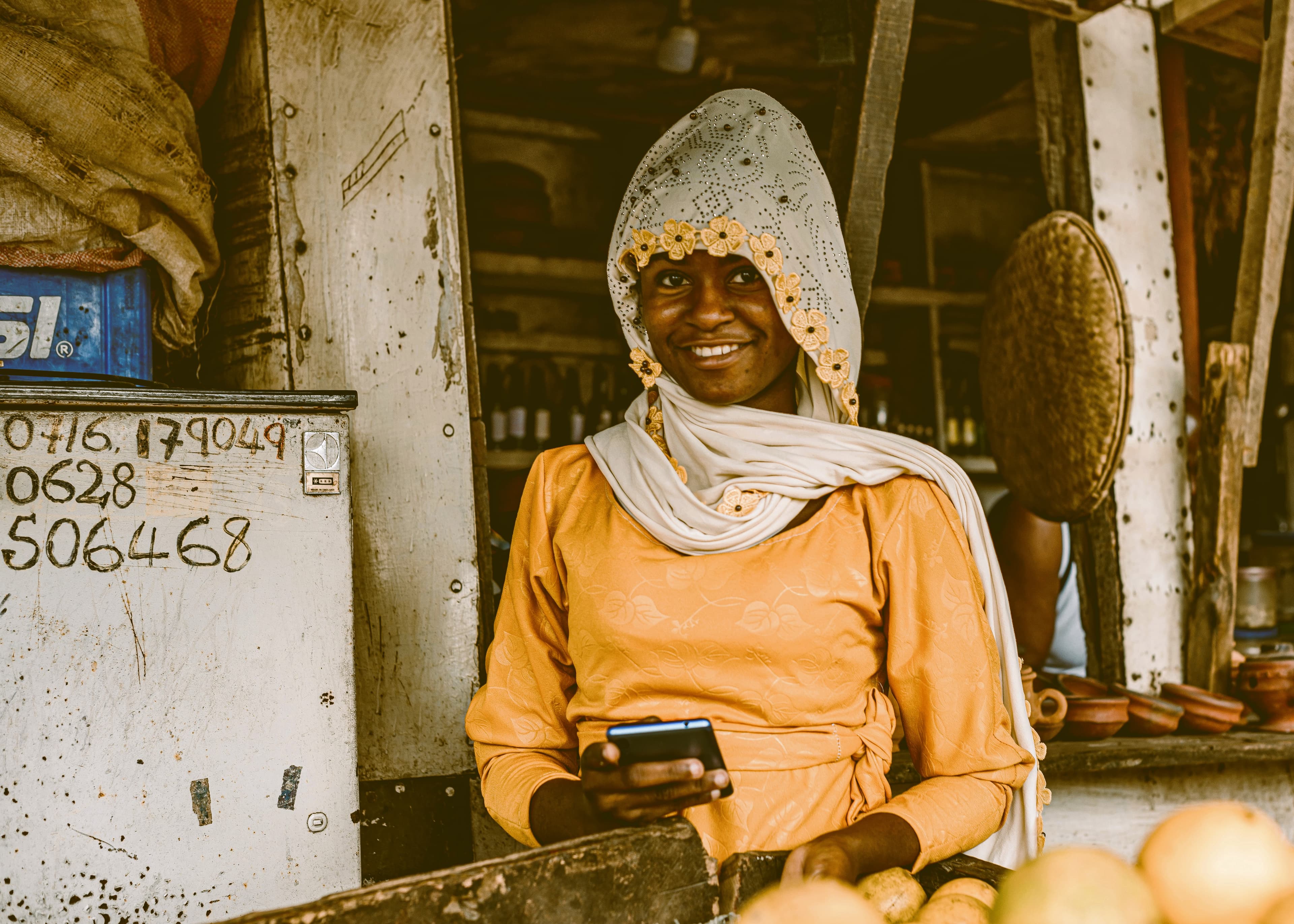
Trust here is built from small, concrete signals: a real business name instead of a personal account, consistent replies, honest photos of what you actually sell, and evidence that other people have bought from you before and were satisfied.
Social proof beats a sales pitch
Nigerians buy in networks. A recommendation from a sister, a colleague, a church member, or a group chat carries far more weight than an ad from a stranger. This is why testimonials, before and after photos, and visible repeat customers do more for conversion than clever copywriting.
- Share real feedback from real customers, screenshots of appreciation messages work better than polished quotes.
- Show your work in progress, not just the finished result. It makes the process feel real and hard to fake.
- Make it easy for a happy customer to refer you. A simple "tell a friend" message after a good experience often does more than any ad spend.
Negotiation is expected, not an insult
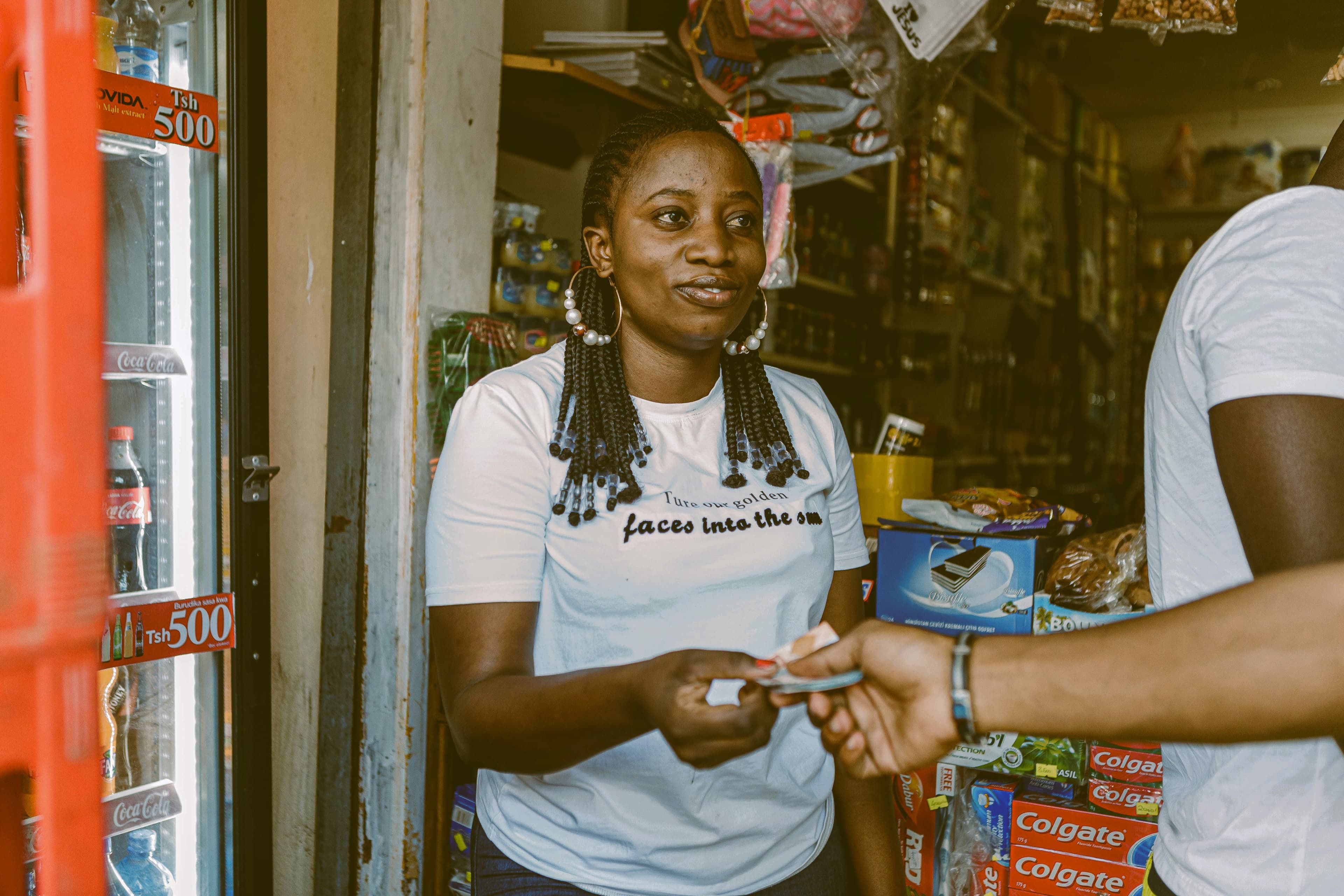
In many markets, haggling is part of the culture, not a sign that your price was wrong. A customer asking "is this your last price" is not rejecting your business, they are engaging with it. Shutting that down too firmly can end a sale that was otherwise going well.
- Price with a small amount of room built in, so you can offer a genuine discount without cutting into your actual margin.
- Frame any discount around something specific: bulk quantity, quick payment, or repeat business, rather than caving with no reason.
- For fixed-price items where negotiation is not possible, say so clearly and early, so the customer is not left feeling dismissed.
A real person, not a faceless brand
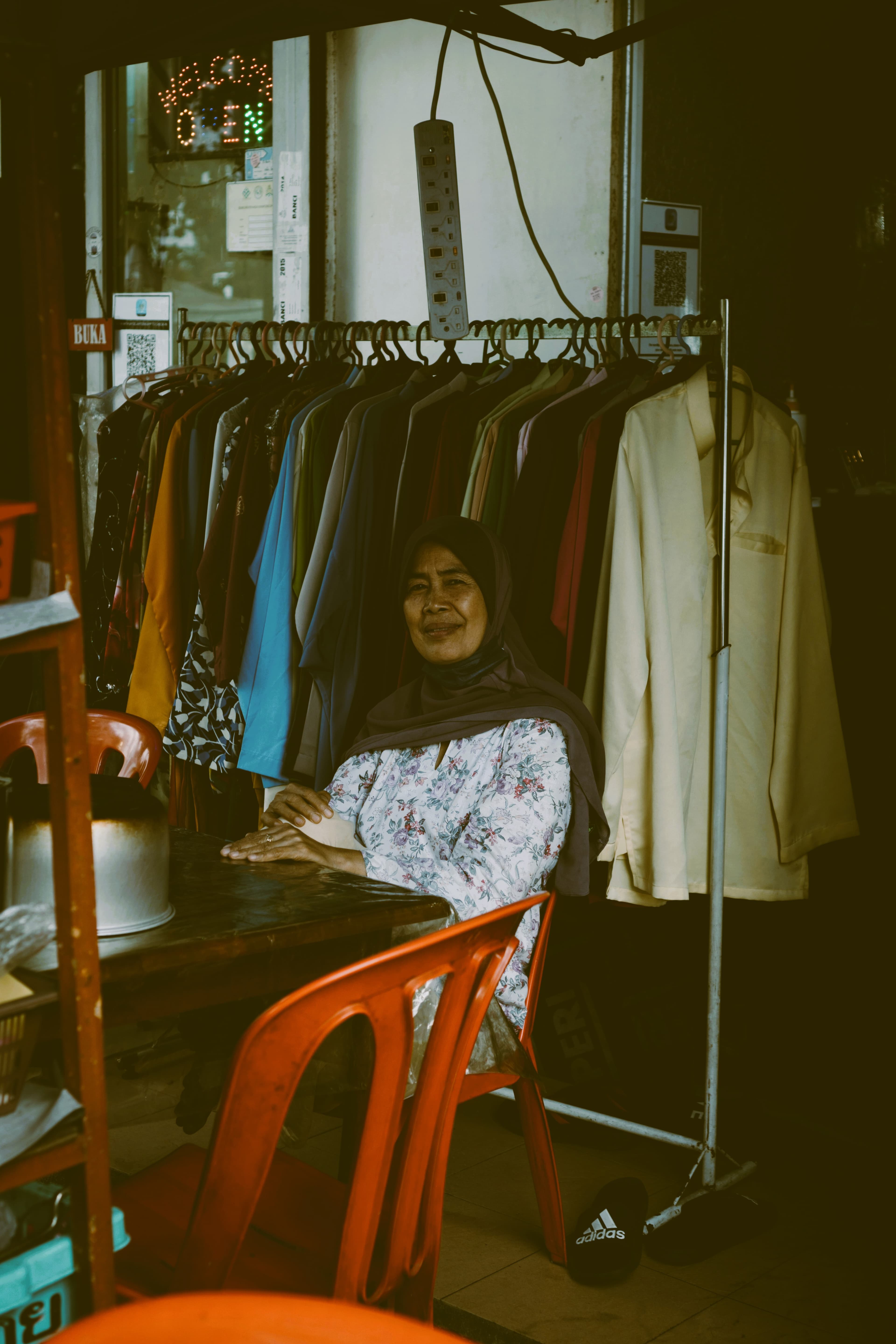
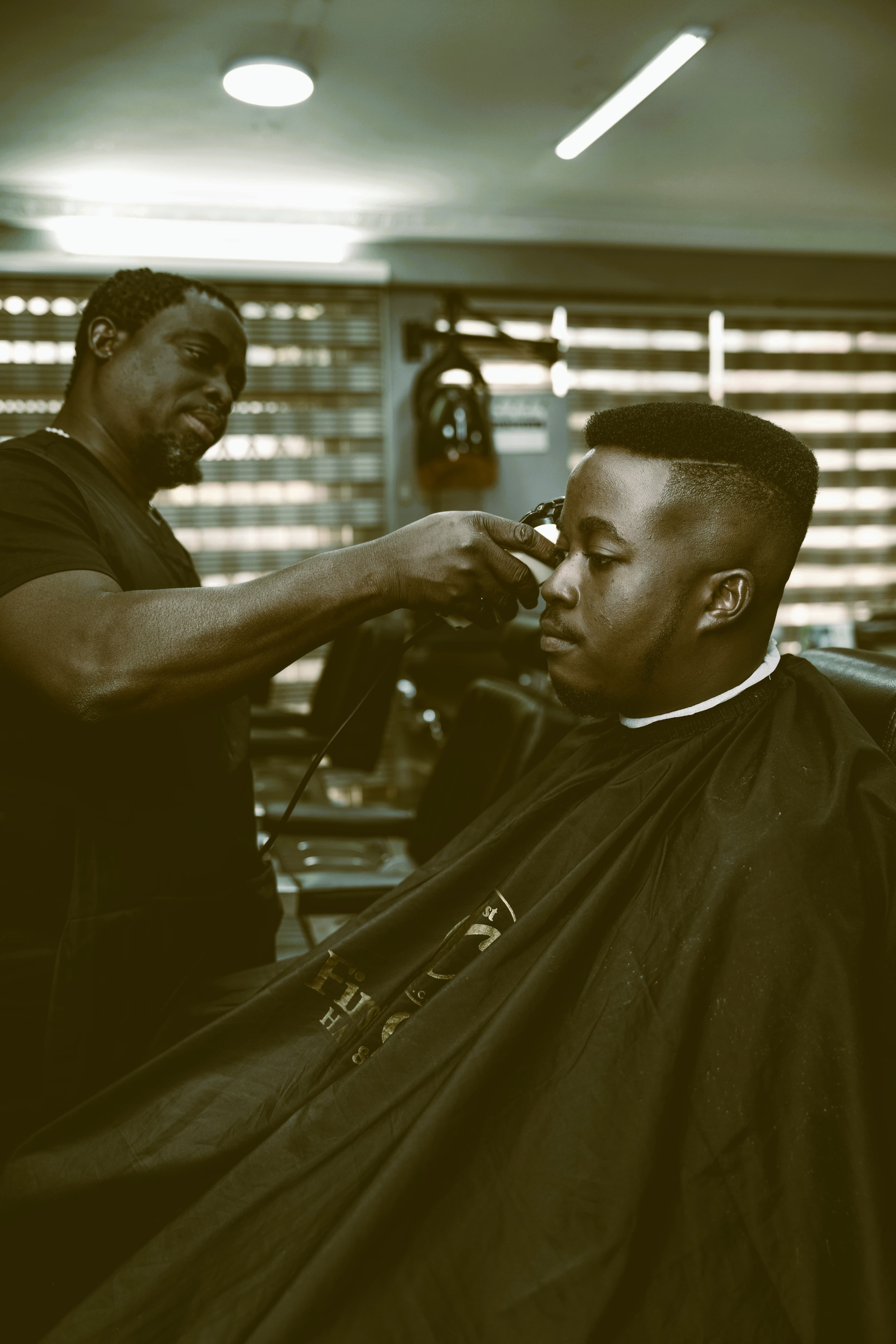
Big, polished branding can actually work against a small business here. Nigerian customers tend to respond well to businesses that feel personally run, where there is a name attached, a familiar voice in the chat, and a sense that a real person stands behind the product. This does not mean look unprofessional. It means do not hide behind generic, corporate-sounding language when a warmer, more direct tone would build more trust.
This is not a niche preference. According to Moniepoint's 2025 Informal Economy Report, the informal sector makes up 89.4% of Nigeria's roughly 40 million micro, small, and medium businesses. A personally run, one-name-you-know operation is not the exception in this market. It is the default most customers are already used to buying from.
Source: Moniepoint 2025 Informal Economy Report.
The sale is not done until the paperwork is
A sale that ends with cash or a transfer and nothing else can leave a customer slightly uneasy, especially for a bigger purchase. A clean invoice and a receipt sent immediately after payment does two things at once: it protects you if there is ever a dispute, and it reassures the customer that they just paid a real, organised business rather than an individual who might disappear.
That final professional touch is often what turns a one-time buyer into a repeat customer. People remember who made a transaction feel safe, and they come back to that business first.
Put this into practice today
Quotla helps you send professional quotes and invoices, remind clients automatically when they are late, and see exactly who owes you, all from your phone.
Get Started Free